Mat
30×30
Competition-grade surface
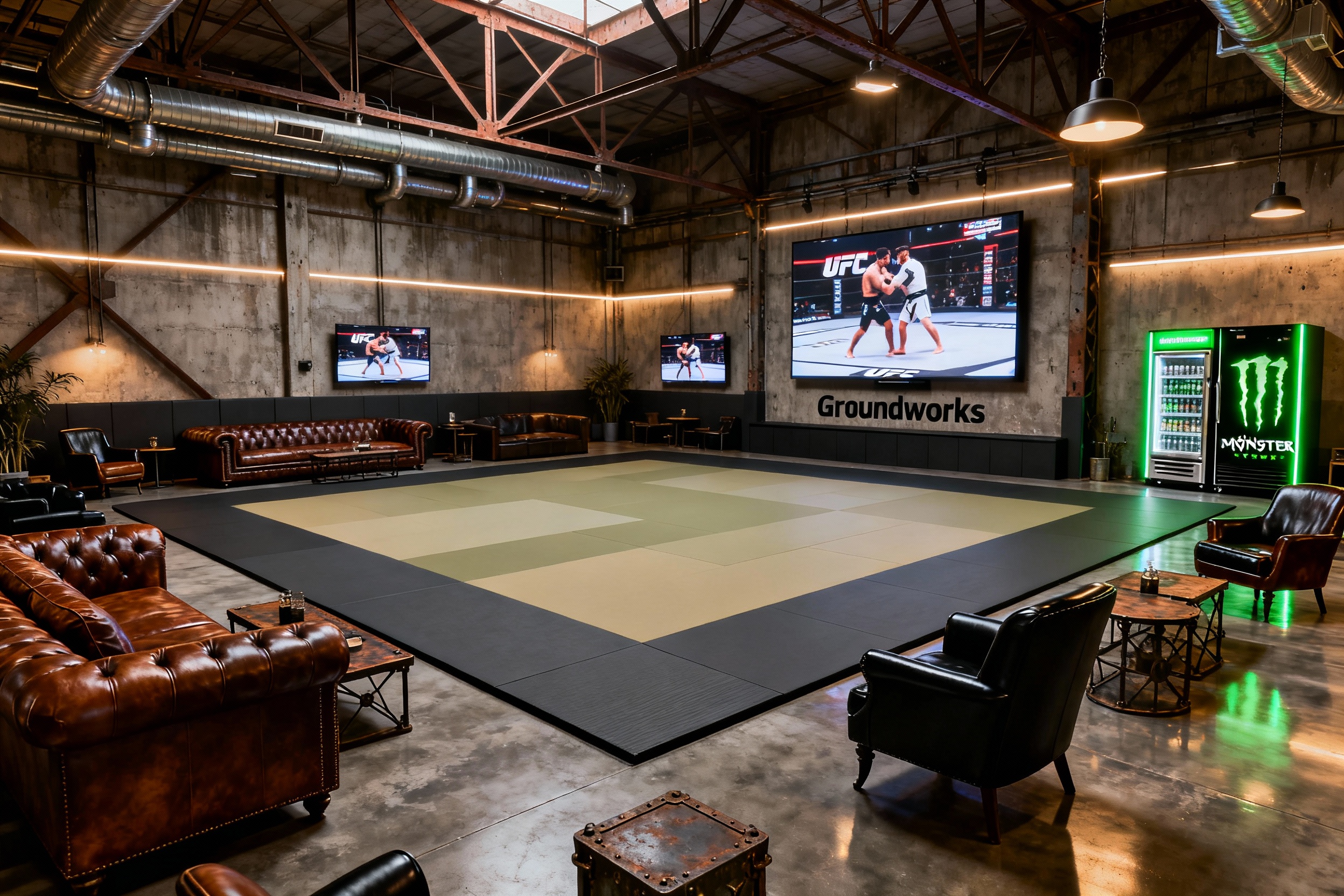
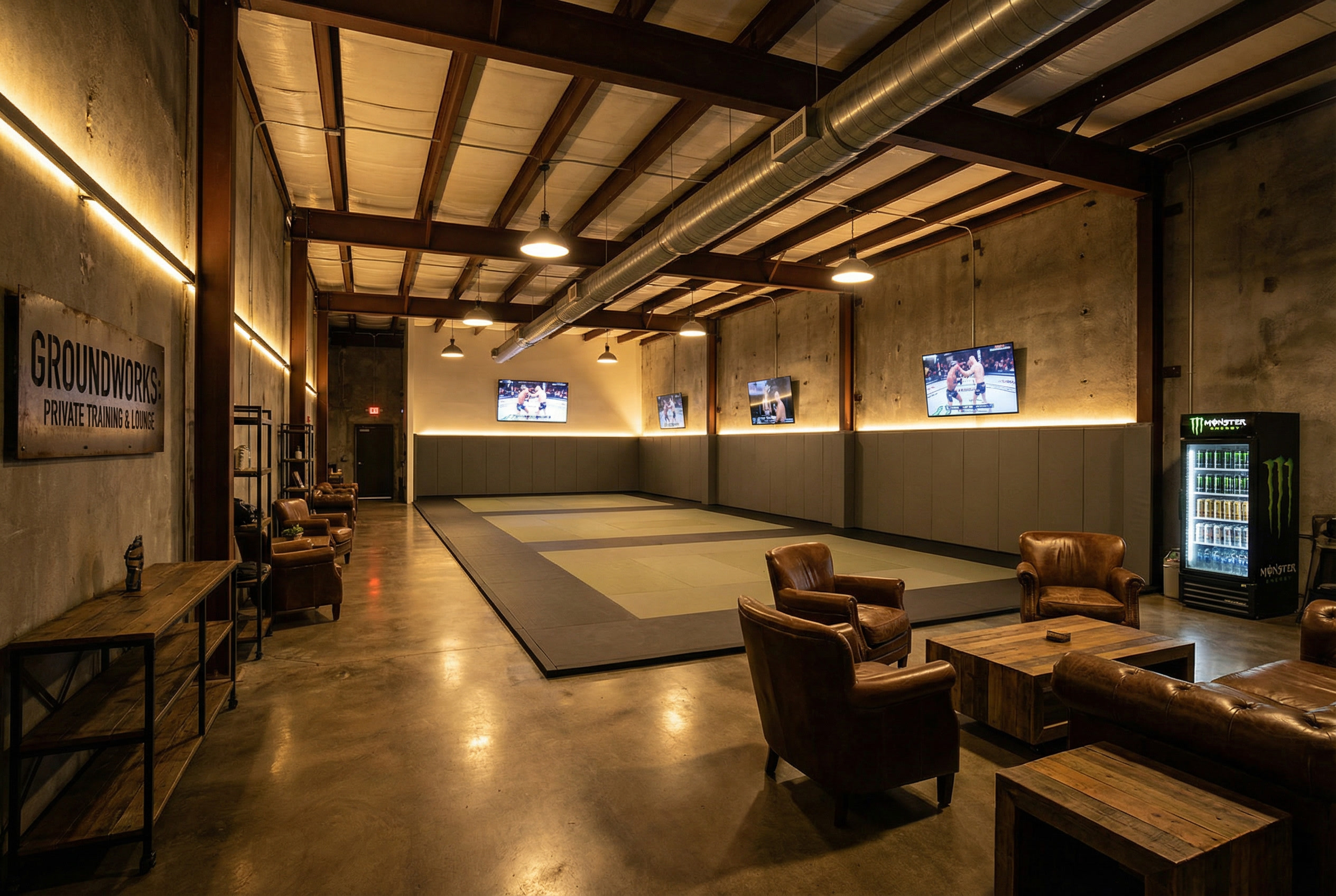
A members-only grappling club in Las Vegas built around culture, not curriculum. One 30×30 mat. Chesterfield leather. Fights on every wall. Open mat, all the time.

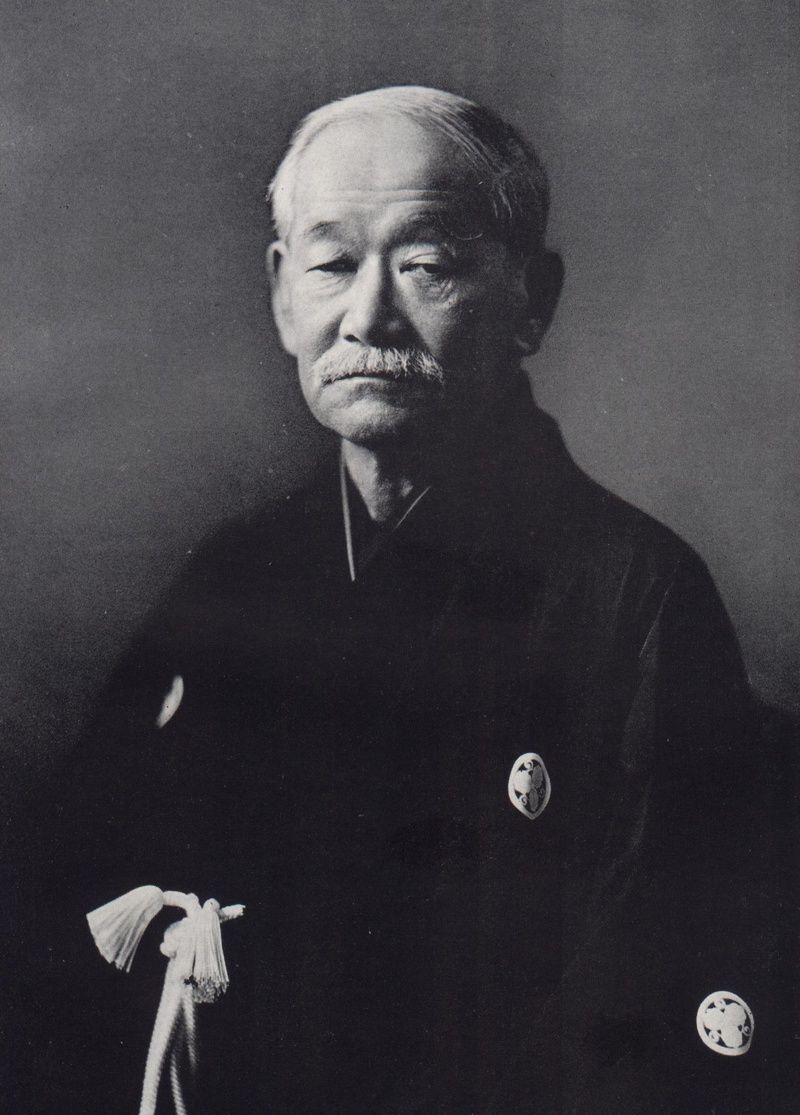
"The gentle way." Kanō distilled centuries of jujutsu into a living art built on kuzushi: break the opponent's balance first, and the throw follows. Where wrestling chains takedowns and BJJ often turns the ground into a battlefield, judo aims to end the exchange in the air. A clean ippon is as definitive as a knockout. Kanō was also Japan's first member of the International Olympic Committee, and judo became an Olympic sport in 1964.
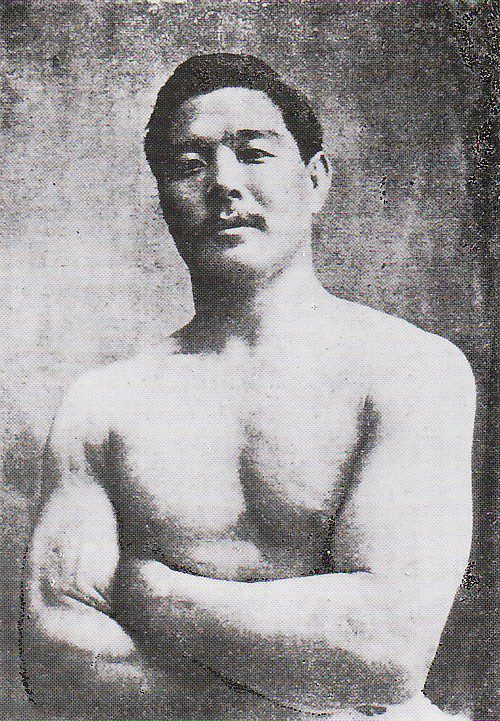
Mitsuyo Maeda, known as Conde Koma, was a student of Jigoro Kano and one of the key bridge figures in modern grappling history. A Kodokan judoka who fought challenge matches around the world, he represented a version of judo shaped not just by formal training, but by travel, competition, and real stylistic tests. Unlike Kano's more systematized judo, Maeda applied those teachings in challenge matches that often continued on the ground, helping carry Kodokan technique into the harsher world of early submission grappling. When he brought that knowledge to Brazil, his teaching helped lay part of the foundation for what would become Brazilian jiu-jitsu.
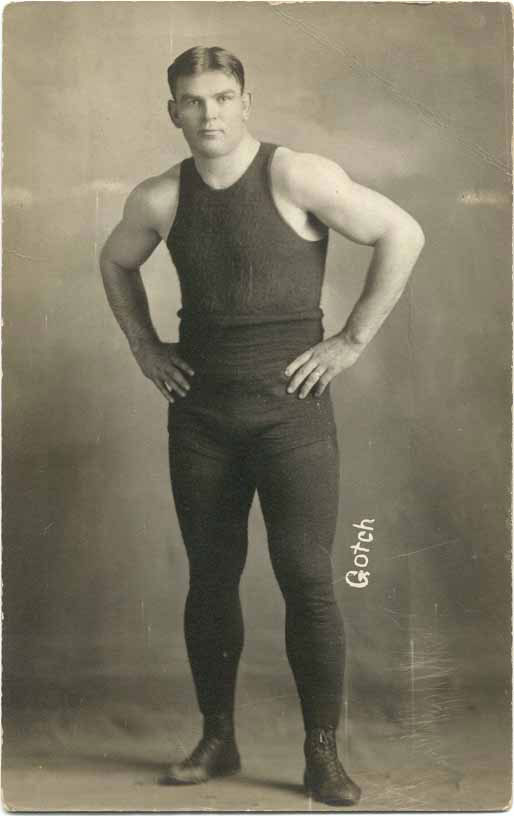
Catch wrestling, also known as catch-as-catch-can, is wrestling with bad intentions. You can win by pin or submission, and the style reflects it. Where BJJ usually values position before submission, catch has historically valued submission over position. BJJ is patient and positional; catch is aggressive, punishing, and opportunistic, built on rides, cross-faces, cranks, wrist control, and finishes from scrambles. It also helped shape early submission grappling around figures like Mitsuyo Maeda, linking it to the roots of Brazilian jiu-jitsu. Frank Gotch embodied that mindset. His 1908 win over Georg Hackenschmidt made him the defining world heavyweight wrestling champion of the era, before pro wrestling became mostly theatrical.
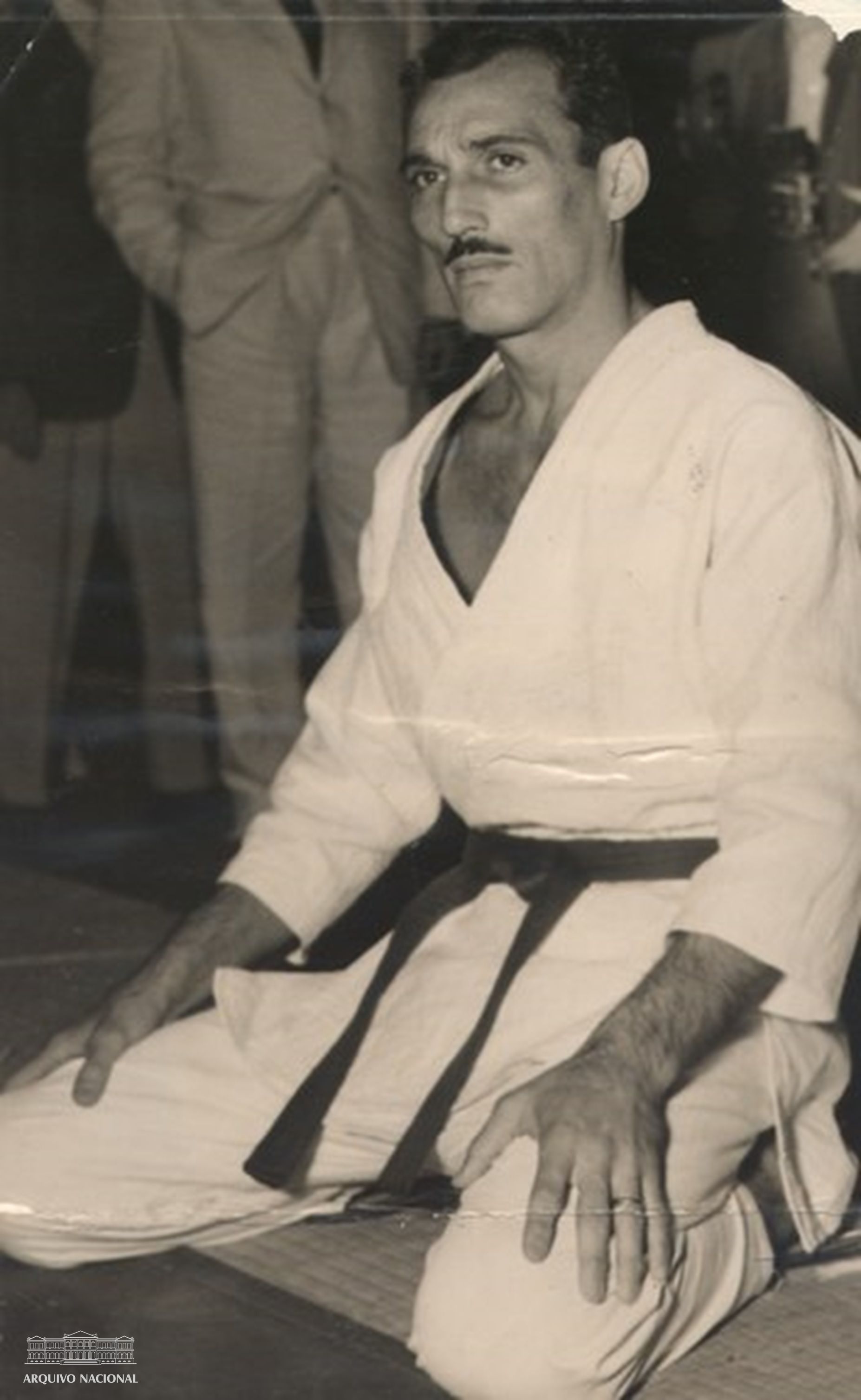
Taking what Mitsuyo Maeda taught his brother Carlos, Hélio Gracie helped reshape judo into a style built on leverage, timing, and survival, so a smaller man could overcome a larger one. He embraced the guard, treating the ground not as a failure, but as a fighting space full of possibility. Guards, frames, sweeps, and submissions became central to the art, with patience used as a weapon. Over decades of vale tudo, he became one of the defining figures in the development of Brazilian jiu-jitsu.
A single monthly membership gets you unlimited open mat, 24/7 keycard access, and a seat at the bar when you're done. No contracts. No drop-in rates. No tiers.
Applications are reviewed by founding members. Cap: 150 members.